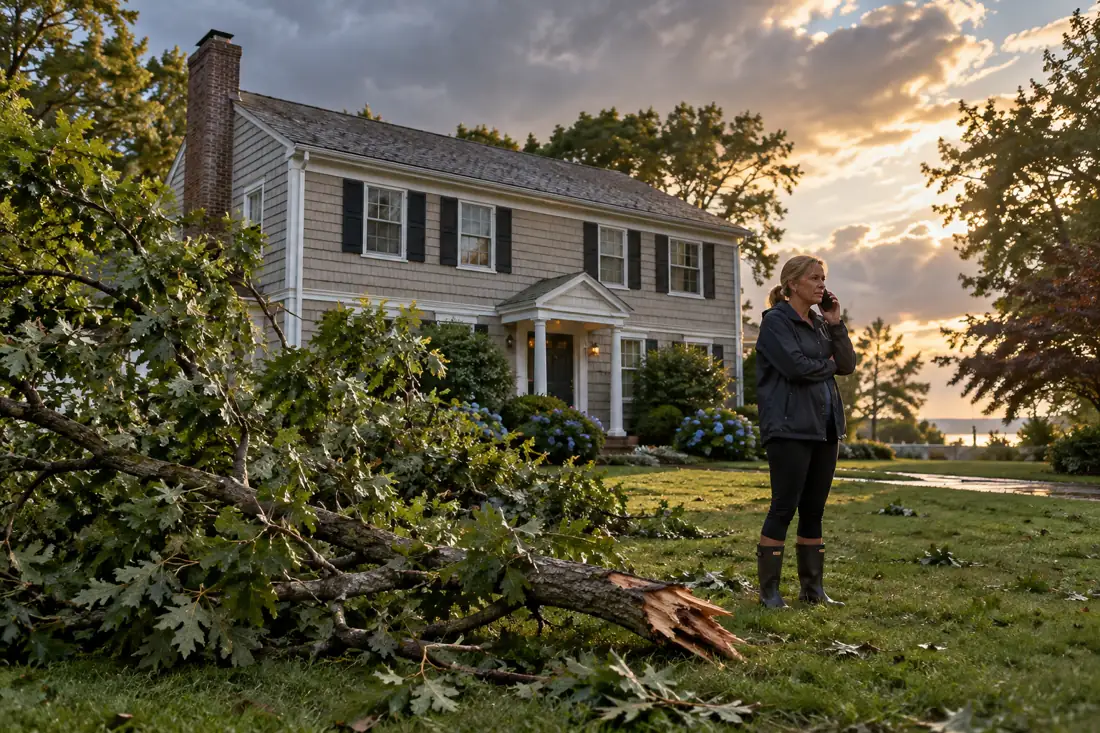
For most families, a home is the largest investment they will ever make. It holds not just financial value but memories, daily routines and a sense of security. That is why it is worth taking time to understand what your homeowners policy actually covers, and where gaps might exist.
Every Policy Looks a Little Different
No two homeowners policies are exactly alike. Coverage depends on where you live, the age and construction of your home, the value of your belongings, and the specific options you select.
A well-rounded policy is designed to respond financially if your home is damaged by fire, theft, severe weather or other covered events. It can also help protect you if someone is injured while visiting your property.
Because every household has different needs, it helps to sit down with an agent periodically to make sure your coverage still reflects how you live today, not how you lived when you first bought the policy.
The Main Parts of a Homeowners Policy
While policies can vary, most homeowners coverage is built around a few core areas worth understanding.
- Property coverage: helps pay to repair or rebuild your home, garage or other structures on your property after a covered loss.
- Personal property coverage: addresses damage to or theft of your belongings, such as electronics, jewelry, furniture or other personal items.
- Liability coverage: responds if you are found responsible for injury to another person or damage to their property.
- Medical payments coverage: can help with medical costs if a guest is injured on your property, separate from any liability claim.
- Additional living expenses: can help with the cost of temporary housing, meals and other needs if your home becomes unlivable after a covered loss.
Coverage Limits Change, So Ask Questions
The dollar amounts, limits and conditions attached to each part of a policy are set by the insurance company and can change over time. Rather than relying on numbers you may have heard years ago, it is best to confirm your current limits directly with your agent or carrier.
This is especially true for personal property categories like jewelry, firearms or collectibles, which often have lower built-in limits than people expect.
Thinking Beyond the Basic Policy
Many homeowners find that a standard policy does not address every risk they face. Depending on your situation, you may want to talk about additional protection such as a personal umbrella policy, flood insurance, earthquake coverage, auto insurance, or scheduled coverage for valuable jewelry and other items.
Flood damage, for example, is often excluded from a standard homeowners policy and typically requires a separate policy. Given Long Island's proximity to water, this is a conversation worth having.
An independent agent can walk through these options with you and help you decide which, if any, make sense for your household.
Flynn Insurance Agency has been helping Long Island families with their insurance needs for generations. As an independent, family-owned agency in Kings Park, we work with a range of carriers to help you compare options for your home. Reach out to our team to review your current homeowners coverage and talk through any questions you have.
This article is general information, not legal, tax or financial advice. Coverage depends on the terms, conditions and exclusions of each policy. Talk with a licensed agent about your situation.